
Water is an essential resource, yet many households in the UK use far more than they need. Wasting water not only puts pressure on the environment but also increases household bills. With water and energy costs continuing to rise, learning how to use water more efficiently is an easy and effective way to save money. The good news is that small changes can make a noticeable difference.
1. Repair Leaks as Soon as Possible
A dripping tap can waste more than 5,000 litres of water a year, while a leaking toilet can waste even more. These leaks often go unnoticed but can add a surprising amount to your water bill. Regularly checking taps, pipes and toilets and repairing faults quickly can save both water and money.
Fixing leaks can save around £20–£50 per year on water bills and help avoid expensive plumbing repairs.
How to check for leaks in your home
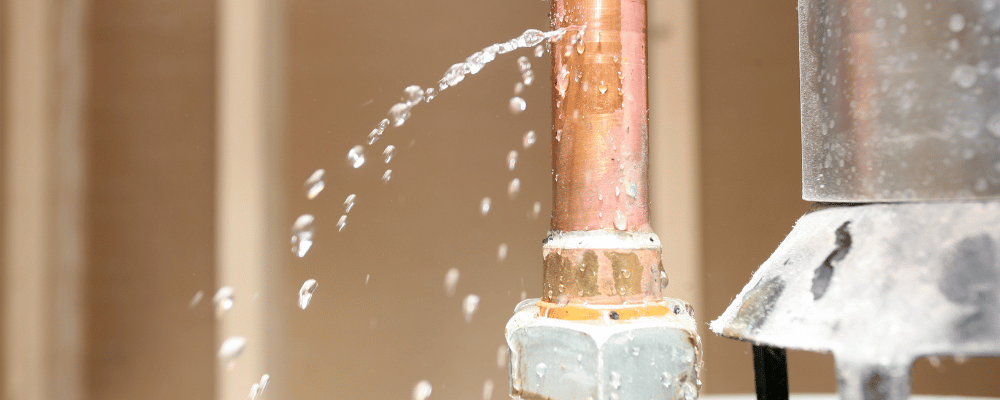
Taps: Turn all taps off and listen closely. If you can hear dripping or see water collecting, the tap may need a new washer or cartridge.
Toilets: Put a few drops of food colouring in the cistern and wait 10–15 minutes without flushing. If colour appears in the bowl, the toilet is leaking.
Pipes: Look under sinks and around appliances for damp patches, mould, or corrosion. These can be signs of slow leaks.
Water meter: Take a meter reading, avoid using water for an hour, then check again. If the reading has changed, there may be a hidden leak.
2. Be Mindful of Tap Use
Many people leave the tap running while brushing their teeth, washing their hands or cleaning dishes. Turning off the tap when it is not needed can save several litres of water each time. Over a year, this simple habit can lead to significant savings.
Turning taps off when not needed can save £10–£20 per year for an average household.
3. Reduce Shower Time
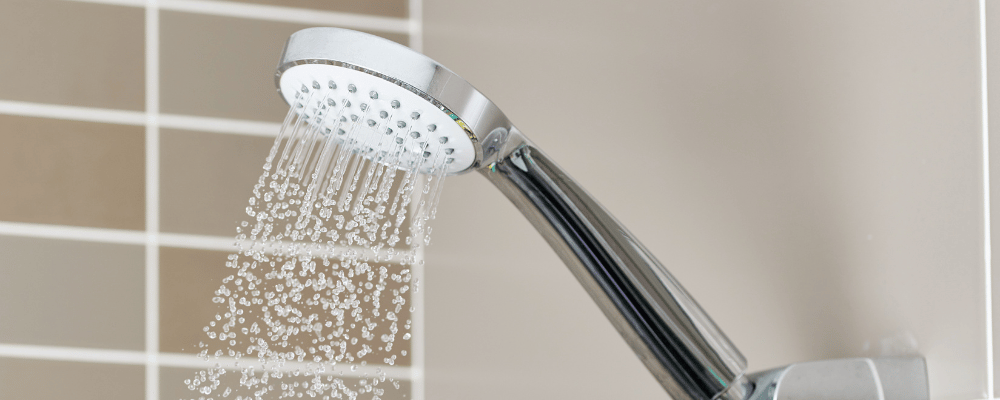
Showers account for a large proportion of water use in UK homes. Cutting your shower time by just a few minutes can save thousands of litres of water annually. Installing a water-efficient showerhead is another cost-effective solution, as it reduces water flow while maintaining good pressure.
Shorter showers can save £40–£70 per year, as less hot water is used, reducing both water and energy costs.
4. Only Use Appliances with Full Loads
Washing machines and dishwashers use a fixed amount of water each cycle, regardless of how full they are. Waiting until you have a full load makes the most of the water used and reduces the number of cycles needed each week, saving both water and electricity.
Running fewer loads can save around £15–£30 per year on water and electricity.
5. Choose Water-Efficient Appliances
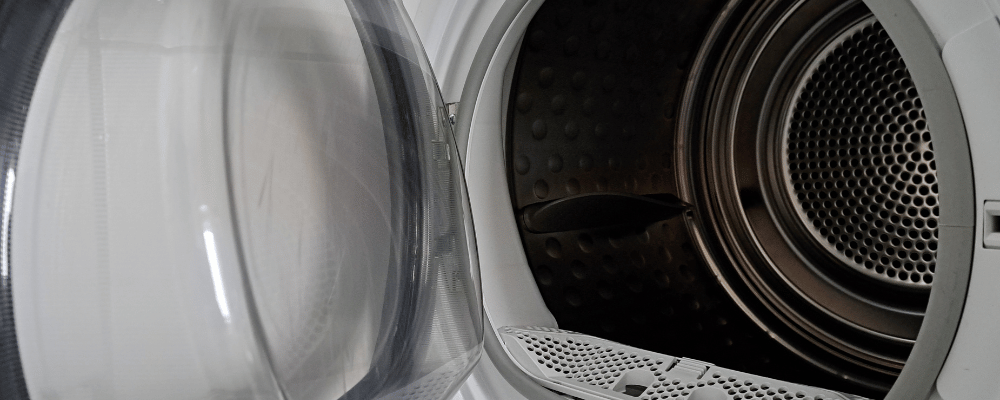
Modern appliances are designed to use less water than older models. When replacing washing machines, dishwashers or toilets, look for water-efficient ratings. Although these appliances may be more expensive initially, they pay for themselves through lower utility bills over time.
Water-efficient appliances can reduce bills by £50–£100 per year over time.
6. Use Water Wisely Outdoors
Garden watering can account for a large amount of household water use, particularly during warmer months. Water plants early in the morning or in the evening to reduce evaporation. Using a watering can instead of a hose gives you better control and prevents unnecessary waste.
Switching to watering cans and watering at the right time can save £10–£25 per year during warmer months.
7. Collect Rainwater
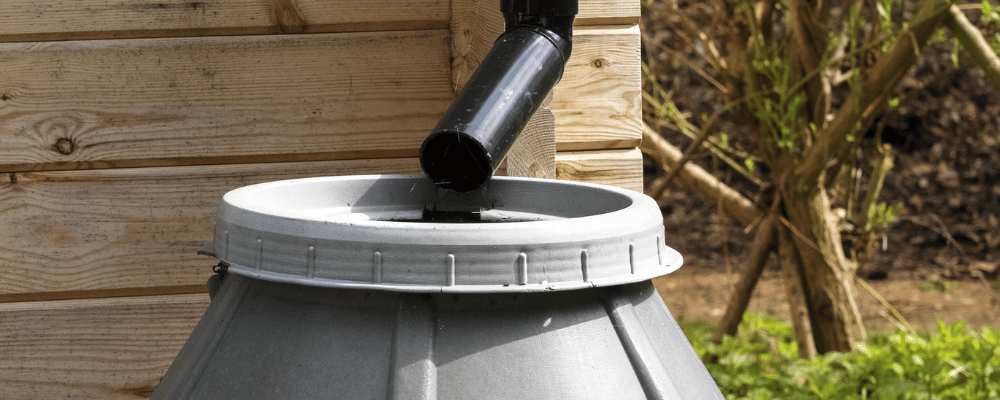
Installing a water butt allows you to collect rainwater from your roof and reuse it for watering plants, washing garden tools or cleaning outdoor areas. Rainwater is free, environmentally friendly and helps reduce reliance on mains water.
Using rainwater instead of mains water can save £5–£15 per year, depending on garden size.
8. Reuse Water Where Possible
Water used to rinse vegetables, cook pasta or boil eggs can be cooled and reused to water plants. Reusing water is a simple way to stretch household water usage further without affecting daily routines.
Reusing water can save around £5–£10 per year by reducing overall water use.
9. Insulate Hot Water Pipes
Insulating hot water pipes means water heats up more quickly, so you waste less water waiting for it to warm up. This also reduces energy consumption, leading to lower heating costs.
This can save £10–£20 per year by reducing wasted water and heating costs.
Water Saving Evaluation

By combining these simple actions, an average UK household could save £150–£300 per year on water and energy bills. Saving water does not require major changes, just small, consistent habits that add up over time. Every drop saved helps both your wallet and the environment.