
If you’ve ever picked up a product wrapped in green packaging, covered in leaves, or stamped with words like eco-friendly, natural, or sustainable, you’re not alone. Companies know that most of us want to make better choices for the planet and they’re eager to sell us that feeling.
But sometimes, those “green” claims are more about marketing than meaningful action.
Welcome to the world of greenwashing – where companies pretend to be sustainable without putting in the real work. This month, we’re exploring what greenwashing looks like, why it matters, and how you can tell when “eco-friendly” is just another sales pitch.
What Is Greenwashing?
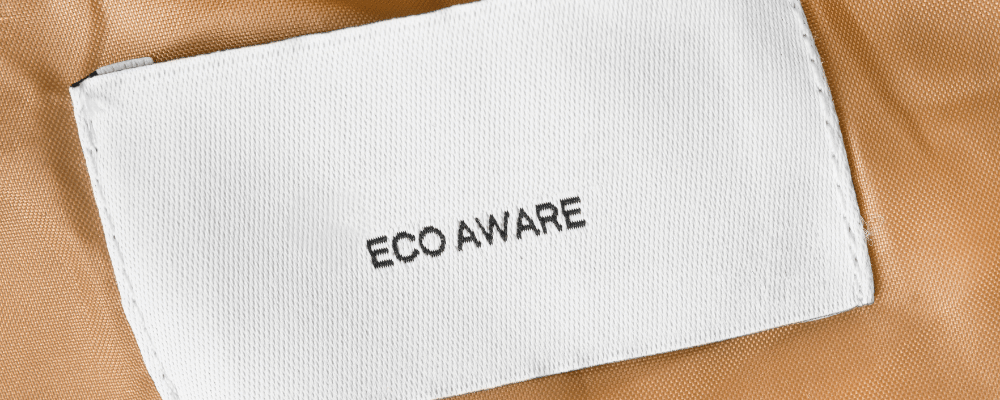
The term greenwashing refers to when a company makes misleading claims about how environmentally responsible it is. In short terms, it’s when a brand spends more time and money marketing itself as sustainable than actually reducing its impact.
You’ve probably seen examples of it without realising:
– A fast-fashion brand launches a “conscious collection” but still produces millions of cheaply made garments every month.
– A bottled water company highlights its “eco” label, but the bottle is still single-use plastic.
– An oil giant funds glossy ads about renewable energy while continuing to expand fossil fuel operations.
– “Natural” cleaning products in green packaging that still contain harsh chemicals – nothing about the formula has changed, but the branding implies sustainability.
– Fruit and veg wrapped in unnecessary plastic with a sticker claiming “locally sourced” or “farm fresh,” making it appear more ethical despite the excessive packaging.
– Single-use wipes or paper towels promoted as “biodegradable,” even though they take years to break down and are not compostable in real-world conditions.
– “Plant-based” or “compostable” cups and cutlery sold in the supermarket that require industrial composting, but the packaging omits that detail – so they end up acting like regular rubbish.
These are classic cases of greenwashing – surface-level gestures that sound green but do little to help the planet.
Why Greenwashing Is a Serious Problem for Real Sustainability
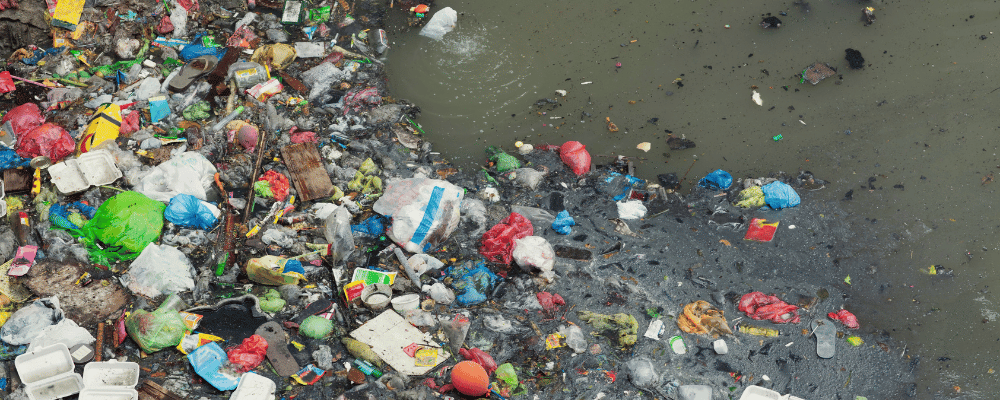
You might wonder, does it really matter if a company stretches the truth a bit? The answer is yes and here’s why.
Greenwashing doesn’t just mislead consumers; it slows down real progress. When companies exaggerate their sustainability credentials, they:
- Steal attention from truly responsible brands.
- Undermine consumer trust in the entire sustainability movement.
- Make it harder for people to know what’s actually helping the environment.
In a world where climate change, pollution, and waste are urgent issues, pretending to be sustainable is almost as harmful as doing nothing at all. It creates an illusion of progress and illusion doesn’t cut emissions.
How to Spot Greenwashing

Once you know what to look for, spotting greenwashing gets much easier. Here are a few clues that a company’s “green” message might not be as pure as it sounds.
- Vague or Undefined Claims
Words like “eco,” “natural,” “earth-friendly,” or “sustainable” are everywhere but what do they really mean? Without clear evidence or definitions, they’re just buzzwords. Look for details: What makes it sustainable? Is there data or certification to back it up?
- Hidden Trade-Offs
A product might be made from recycled materials but still produced in a factory with high carbon emissions or unfair labour practices. Sustainability isn’t one-dimensional; real impact means looking at the full picture.
- No Transparency or Data
If a company doesn’t share its sourcing, supply chain, or measurable goals, it’s worth questioning how much they’re actually doing. True sustainability comes with transparency.
- Nature-Themed Branding Overload
If a brand uses lots of green colours, leaves, or images of the Earth – but provides no factual evidence of sustainability – it may be relying on visuals to do the convincing.
- Lack of Third-Party Verification
Independent certifications like Fairtrade, FSC, or Cradle to Cradle are designed to keep companies honest. If a product claims to be sustainable but has no credible certification, be sceptical.
What You Can Do About It

As consumers, we hold more power than we realise. Every purchase we make is a vote for the kind of world we want to live in.
Here are some ways to make those votes count:
- Do a little digging. A quick search can reveal whether a brand has transparent sustainability reports or third-party audits.
- Ask questions. Reach out on social media or via email. Responsible companies are proud to explain their sustainability journey.
- Buy less, buy better. Sometimes the most sustainable choice is to repair, reuse, or simply not buy at all.
- Support genuine efforts. Reward brands that take measurable steps – reducing waste, using renewable energy, or ensuring ethical labour.
The more we support authentic sustainability, the less room there is for greenwashing to thrive.
Choose Authentic Sustainability Over Empty Marketing
Sustainability isn’t about slogans; it’s about substance. When companies pretend to be green without making real changes, they’re not just deceiving customers; they’re delaying the action our planet desperately needs.
So next time you see a “green” product, pause for a second and ask yourself, are they actually doing what they promise, or just saying what sounds good?
By choosing wisely and questioning boldly, we can push the marketplace toward honesty and toward the truly sustainable future we all want.